
[λαϊκές αγορές με αγάλματα, προτομές και πάσης φύσεως αξεσουάρ της Επανάστασης ·
12/03/2024 § Σχολιάστε
Η ΑΓΑΠΗ ΣΚΟΝΗ ΚΑΙ Τ’ ΟΝΕΙΡΟ ΚΑΠΝΟΣ
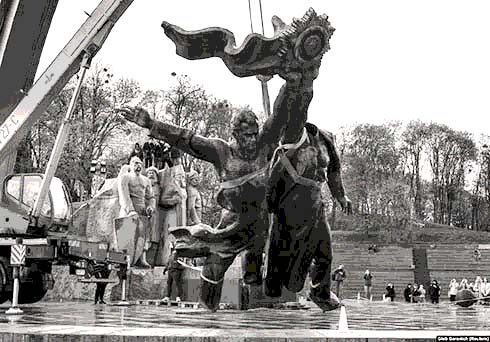
Ένα μνημείο της σοβιετικής εποχής για τη φιλία μεταξύ Ουκρανίας και Ρωσίας κατεβαίνει στο έδαφος από έναν γερανό αφού κόπηκε από την πλίνθο του στο κέντρο του Κιέβου στις 26 Απριλίου. Photo: rferl.org
Εντός πωλούνται πάσης φύσεως υλικά
Ο Βλαδίμηρος Λένιν αναπαύεται, εκατό χρόνια τώρα, μουμιοποιημένος, στο μαυσωλείο του στην Κόκκινη Πλατεία της Μόσχας. Κάποιες συζητήσεις επί εποχής Γέλτσιν, μετά τη διάλυση της ΕΣΣΔ, για ενταφιασμό της σορού του δεν προχώρησαν εξαιτίας σφοδρών αντιδράσεων.
Εκεί, στη φορμόλη, τον «επισκεπτόταν» έως τα μέσα της δεκαετίας του 2000 ο Βιετναμέζος επαναστάτης Χο Τσι Μινχ. Ο «θείος Χο», βαλσαμωμένος και αυτός, ταξίδευε μία φορά τον χρόνο από το δικό του «παλάτι» στο Ανόι για συντήρηση και φρεσκάρισμα, και πάλι πίσω. Αυτά έως το 2010, οπότε οι Ρώσοι έδωσαν (επιτέλους) τη σχετική τεχνογνωσία στους Βιετναμέζους και έτσι ησύχασε το κορμάκι του από την ταλαιπωρία.
Από τα «παιδιά του Λένιν», πλην του Χο Τσι Μινχ, ο Μάο Τσε Τουνγκ και ο Κιμ Ιλ Γονγκ, διαθέτουν και αυτοί τα δικά τους μεγαλοπρεπή αναπαυτήρια, όπου τυγχάνουν επίσημων τιμών, τουριστικών «προσκυνημάτων» και συνήθως προπαγανδιστικής υποχρεωτικής λαϊκής λατρείας –μάλιστα η κινεζική ηγεσία πρότεινε (2018) στην UNESCO να κατατάξει για το 2035 το μαυσωλείο του Μάο (πέθανε το 1976 αφήνοντας πίσω του εκατομμύρια νεκρούς «εχθρούς του λαού», κατά την Πολιτιστική Επανάσταση) στα μνημεία της παγκόσμιας πολιτιστικής κληρονομιάς. Τα άλλα κατέληξαν στην πλειοψηφία τους, από τους λαούς τους, στο όνομα των οποίων ώμνυον, ή και τους εσωκομματικούς αντιπάλους συντρόφους τους, στα «απόπαιδα της Ιστορίας».
Ο «Πατερούλης»
Οταν ο Ιωσήφ Βησαριόνοβιτς Τζουκασβίλι πέθανε στις 6 Μαρτίου του 1953, τον ταρίχευσαν και τον τοποθέτησαν στο μαυσωλείο, πλάι στον Λένιν. Με την άνοδο, όμως, του Χρουστσόφ στην εξουσία, ξεκίνησε η επιχείρηση αποκαθήλωσής του, που κορυφώθηκε στο 20ό συνέδριο του ΚΚΣΕ, το 1956.
Μια γυναίκα σύνεδρος είπε, τότε, από το βήμα του συνεδρίου: «Σύντροφοι πάντα στις πιο δύσκολες στιγμές συμβουλευόμουν τον Λένιν για το τι να κάνω. Χθες τον συμβουλεύτηκα και πάλι. Στάθηκε μπροστά μου και σαν να ήταν ζωντανός μου είπε: “Είναι δυσάρεστο να είμαι δίπλα στον Στάλιν, που έκανε τόσο κακό στο κόμμα”». Και ωσάν να εισακούστηκε το θέλημά της, ο Χρουστσόφ αποφάνθηκε: «Η παραπέρα διατήρηση της σαρκοφάγου με τη σορό του Στάλιν θα αναγνωριστεί ως μη αρμόζουσα, καθώς οι σοβαρές παραβιάσεις των λενινιστικών αρχών από τον Στάλιν, η κατάχρηση εξουσίας, η μαζική καταστολή κατά έντιμων Σοβιετικών πολιτών και άλλες δραστηριότητες της περιόδου της προσωπολατρίας καθιστούν αδύνατο να μείνει η σορός του στο μαυσωλείο του Λένιν». Κατόπιν αυτού, ο Στάλιν μεταφέρθηκε από το μαυσωλείο και ενταφιάστηκε ως κοινός θνητός στα τείχη του Κρεμλίνου.
Δύο φορές στη συνέχεια, τη μία επί Χρουστσόφ και την άλλη επί Μπρέζνιεφ, εστάλησαν ειδικές δυνάμεις της αστυνομίας από τη Μόσχα στη γενέτειρά του, το Γκόρι της Γεωργίας, για να ανατινάξουν με εκρηκτικά το μοναδικό άγαλμά του που είχε απομείνει όρθιο, αλλά οι ντόπιοι υπερασπίστηκαν τον «Σοσό» τους με τα όπλα. Ώσπου αιφνιδιαστικά μια νύχτα, στις 25 Ιουνίου 2010, ο Στάλιν «απήχθη» με μια αιφνιδιαστική στρατιωτική επιχείρηση που οργάνωσε ο φιλοδυτικός τότε πρόεδρος της Γεωργίας Μιχαήλ Σαακασβίλι.
«Ήρθαν μετά τα μεσάνυχτα, έζωσαν με στρατό και αστυνομία την πλατεία και μέχρι να αντιληφθεί ο κόσμος τι γίνεται, με γερανό κατέβασαν το άγαλμα, το φόρτωσαν και το πήραν», μου αφηγήθηκε το 2019 για την «Κ» ο μητροπολίτης του Γκόρι, Ανδρέας. «Οι άνθρωποι εδώ είναι θυμωμένοι και αξιώνουν την επιστροφή του αγάλματος, μας φέρνει τουρισμό, ο Σοσό μάς δίνει ακόμη ψωμί», πρόσθεσε καθώς μας ξεναγούσε στο μουσείο του Στάλιν.
Με την κατάρρευση της Κόκκινης Αυτοκρατορίας, ξεκίνησε και η απομυθοποίηση του ιδρυτή της, του ανθρώπου που, όπως θα γράψει η νομπελίστρια συγγραφέας Σβετλάνα Αλεξίεβιτς (σ.σ. Το τέλος του Κόκκινου Ανθρώπου), «είχε ένα τρελό σχέδιο, να επιδιορθώσει τον “παλιό” άνθρωπο, τον Αδάμ της Παλιάς Διαθήκης, βγάζοντας από το εργαστήριο του μαρξισμού-λενινισμού έναν ξεχωριστό ανθρώπινο τύπο –τον homo sovieticus»· δεν το πέτυχε.
Η αρχή έγινε με την απόσυρση από τη δημόσια θέα και ακολούθησε η πώλησή του στα… παζάρια.
Στα κράτη δορυφόρους, κυρίως εκείνα που πολιτισμικά κοίταζαν προς τη Δύση (Βαλτική, Ουκρανία, Ουγγαρία, Τσεχοσλοβακία, Ανατολική Γερμανία), τα θηριώδη μπρούντζινα γλυπτά του εμπνευστή και πρωτεργάτη της Οκτωβριανής Επανάστασης ξηλώθηκαν από την επομένη, εν μέσω επιδοκιμασιών των κοινωνιών και κατέληξαν να γίνουν σκραπ ή πήγαν κατ’ ευθείαν για λιώσιμο σε κάποιο χυτήριο – κάποια τα μάζεψαν σε «πάρκα αγαλμάτων» για τουριστικά αξιοθέατα. Μόνο στη Ρωσία παρέμειναν κάποια, όρθια, σε περιφερειακές πόλεις, τα πιο πολλά ξεχασμένα.
Αποκαθήλωση
Ο Βούλγαρος ηγέτης, γραμματέας της Κομμουνιστικής Διεθνούς, Γκεόργκι Δημητρώφ, γνωστός και από τη σθεναρή στάση του στη δίκη της Λειψίας για τον εμπρησμό του Ράιχσταγκ, «ξωπετάχτηκε» από το επιβλητικό μαυσωλείο του στη Σόφια και ενταφιάστηκε ως κοινός θνητός, το δε «παλάτι» του ανατινάχθηκε με χρήση εκρηκτικών.
Χιλιάδες ήταν οι Αλβανοί που συγκεντρώθηκαν στην πλατεία Σκεντέρμπεη το 1991 και κατέβασαν τραβώντας με συρματόσχοινα τον επιβλητικό ανδριάντα του Ενβέρ Χότζα, τον οποία έσυραν και πέταξαν σε γειτονικό ποτάμι. Ακολούθησε εκταφή του από το «Νεκροταφείο των Ηρώων του Έθνους» και ο ενταφιασμός σε άλλο, για τους απλούς πολίτες, μεταξύ των οποίων και πολλά θύματά του.
«Ήταν οι ίδιοι που κατά χιλιάδες τον μοιρολογούσαν και έχυναν δάκρυα στην ίδια πλατεία όταν πέθανε το 1985», μου είχε πει η χήρα του, Νεζμιγιέ, σε συνέντευξη που μου είχε παραχωρήσει για την «Κ» το 2008.
Ενας μπρούτζινος Τίτο έχει απομείνει όρθιος στη γενέτειρά του, το Κούμβροβετς της Κροατίας, και μια λιτή επιγραφή με το όνομά του στον χορταριασμένο τάφο του στην αριστοκρατική συνοικία Ντετινιέ του Βελιγραδίου θυμίζει ότι «ενθάδε κείται» ο εμπνευστής και αρχιτέκτων του γιουγκοσλαβικού πειράματος της σοσιαλιστικής αυτοδιαχείρισης.
Σε έναν απλό, κοινό με τη σύζυγό του Ελεν, τάφο στο Βουκουρέστι «αναπαύεται» ο Νικολάε Τσαουσέσκου, ξεχασμένος πέθανε στο Σαντιάγο της Χιλής, όπου διέφυγε αυτοεξόριστος ο Ανατολικογερμανός κομμουνιστής ηγέτης Εριχ Χόνεκερ.
Ο τροχός της Ιστορίας κατέβασε τον Λένιν και τα «τέκνα» από το εικονοστάσι της επανάστασης και τα εξαπέστειλε στα… παζάρια, στις πλατείες, στα πάρκα και στις λαϊκές αγορές. Στην απόγνωσή τους, λόγω φτώχειας και ανέχειας, οι άνθρωποι ξεφορτώνονταν τα «ιερά και όσια» της Επανάστασης για να επιβιώσουν.
Ο Λένιν προσφερόταν σε αφθονία στους αυτοσχέδιους πάγκους σε προτομές μπρούντζινες, σιδερένιες, μαρμάρινες, κέρινες, σηματάκια, μετάλλια, προσωπογραφίες από χαλκό και ασήμι, πορτρέτα ζωγραφικής, σημαίες της επανάστασης κ.ά. Μαζί του στο «εμπόριο μνήμης», ο Στάλιν, ο Γκόργκι, ο Τζερζίνσκι, ο Μαγιακόφσκι και μόνον η μορφή του Τρότσκι, καθώς ο Στάλιν είχε φροντίσει να τον δολοφονήσει στο Μεξικό και να αφανίσει ό,τι μπορούσε να τον θυμίζει.
Πολύ γρήγορα ο «Λένιν και τα παιδιά του» εξελίχθηκαν σε εξαγώγιμο προϊόν της καταρρέουσας σοβιετικής αυτοκρατορίας, «εισβάλλοντας» στη Δύση.
Η σκηνή από το «Βλέμμα του Οδυσσέα» του Θόδωρου Αγγελόπουλου με τη φορτηγίδα να πλέει στον Δούναβη από ανατολικά προς δυσμάς, μεταφέροντας έναν «τραυματισμένο» ανδριάντα του Λένιν, αποτυπώνει τη μετα-σοβιετική μεταβατική πραγματικότητα.
Η Ευρώπη πλημμύρισε με αγάλματα, προτομές και πάσης φύσεως αξεσουάρ της Επανάστασης. Οργανωμένες αντικερί έκαναν χρυσές δουλειές. Αγόραζαν πάμφθηνα (στην αρχή) και πουλούσαν πανάκριβα σε συλλέκτες ή μουσεία. Ο Λένιν και τα άλλα «παιδιά» έφτασαν γρήγορα (και) στα καθ’ ημάς να πωλούνται στις λαϊκές αγορές, σε Αττική, Θεσσαλονίκη, Ξάνθη, Θεσσαλία, σχεδόν παντού, μαζί με πιπεριές, μελιτζάνες και τουρσιά.
Κάποιοι έφτιαξαν «κόκκινες συλλογές», με φιγούρες της Οκτωβριανής Επανάστασης. Οπως ο Βασίλης Κωνσταντίνου από τη Θεσσαλονίκη, που βρέθηκε την περίοδο της διάλυσής της στο πεδίο με την ιδιότητα του υψηλόβαθμου στελέχους καπνικής εταιρείας και έφτασε να συγκεντρώσει διακόσια «κομμάτια-ενθύμια της Επανάστασης».
Αφίσες, καρτ ποστάλ, πορτρέτα, προτομές, το κάθε ένα με τη δική του ιστορία, τα έβρισκες απλωμένα στα αυτοσχέδια παζάρια. «Εχω μια, μοναδική, γύψινη προτομή του Τσαουσέσκου, την είχε σώσει μια μαθήτρια στην Κραϊόβα. “Πάρ’ την, μου είπε, αν τη θέλεις, εμείς τι να την κάνουμε;”. Σε μια άλλη περίπτωση, στο Λένινγκραντ, επισκέφθηκα ένα κουρείο και θέλησα να χρησιμοποιήσω την τουαλέτα τους. Εκεί είδα πεταμένο και σκονισμένο, πνιγμένο στη βρωμιά έναν Μπρέζνιεφ σε πορτρέτο ζωγραφισμένο. Το αγόρασα πληρώνοντας στον μπαρμπέρη πέντε κουρέματα. Μου πήρε είκοσι χρόνια να συγκεντρώσω τα της συλλογής».
«Έμειναν οι μπότες»
Ο Έλληνας βουλευτής στο ουγγρικό κοινοβούλιο Λαοκράτης Κοράνης αφηγείται στην «Κ»: «Στην κεντρική πλατεία της Βουδαπέστης υπήρχε το “άγαλμα του προλετάριου” και λίγο παρακάτω μέχρι το 1956 ο ανδριάντας του Στάλιν. Με τη λαϊκή εξέγερση του ’56, όμως, ο κόσμος το γκρέμισε και το κομμάτιασε. Διασώθηκαν πάνω στο βάθρο από το γλυπτό μόνο οι μπότες του Στάλιν! Εκεί ήταν και ο ανδριάντας του Λένιν και παραπάνω ένα επιβλητικό άγαλμα του σοβιετικού στρατιώτη. Τα μάζεψαν όλα το 1990 και τα έχουν σήμερα στο Πάρκο των Γλυπτών. Με την αλλαγή της κατάστασης στις πλατείες έβρισκες ό,τι μπορούσες να φανταστείς από την περίοδο του σοσιαλισμού. Τα ξεπουλούσαν όλα. Από εκεί προμηθεύτηκα και εγώ τη συλλογή μου. Μάζεψα γλυπτά Λένιν, κεφαλές, πίνακες ζωγραφικής, έχω Στάλιν, Τζερζίνσκι, σε μπρούντζο και πορσελάνες. Τα φυλάω στη σοφίτα και κάθε πρωί προτού φύγω για τη δουλειά περνάω και τους λέω μια “καλημέρα”. Τώρα που η νοσταλγία για τον σοσιαλισμό των μπολσεβίκων εξατμίζεται στις κοινωνίες που τον “γεύτηκαν”, σε βάθος χρόνου θα είναι οι μπρούντζινες φιγούρες του Λένιν, του Στάλιν και των συντρόφων τους σε μουσεία και ιδιωτικές συλλογές, που θα θυμίζουν το σύντομο πέρασμα από την Ιστορία, της Μεγάλης Οκτωβριανής Επανάστασης».
*
πηγή: ©Σταύρος Τζίμας ―Καθημερινή > >
✳︎
Διαβάστε όλα: [τα όνειρα καπνός]
◉
[Πήρες τον μεγάλο δρόμο ·
09/03/2024 § Σχολιάστε
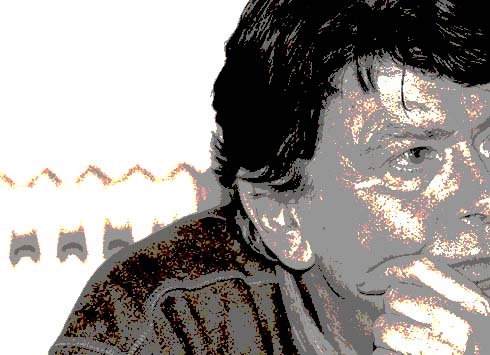
Δήμος Μούτσης (Πειραιάς, 2 Αυγούστου 1938 – Αθήνα, 6 Μαρτίου 2024)
Πήρες τον μεγάλο δρόμο
για να πας στα ξένα
άφησες σε μένα
τη λαβωματιά
Πήρες τον μεγάλο δρόμο
δρόμο δίχως άκρη
έγινε το δάκρυ
θάλασσα πλατιά
Τώρα την πόρτα μου χτυπάν
βοριάδες και χειμώνες
μα οι καρδιές που αγαπάν
μένουνε πάντα μόνες
Πήρες τον μεγάλο δρόμο
και το μονοπάτι
Πως να κλείσω μάτι
πως να κοιμηθώ
Πήρες τον μεγάλο δρόμο
και μονάχος μένω
τι να περιμένω
τι να καρτερώ.
✳︎
Συνθέτης: Μούτσης Δήμος
Στίχοι: Γκάτσος Νίκος
Βρισκόμαστε στο 1967 ―Ακούστε τον Σταμάτη Κόκοτα να το ερμηνεύει μοναδικά με τη βελούδινη φωνή του:
◉
[goodbye Lucas…
08/03/2024 § Σχολιάστε
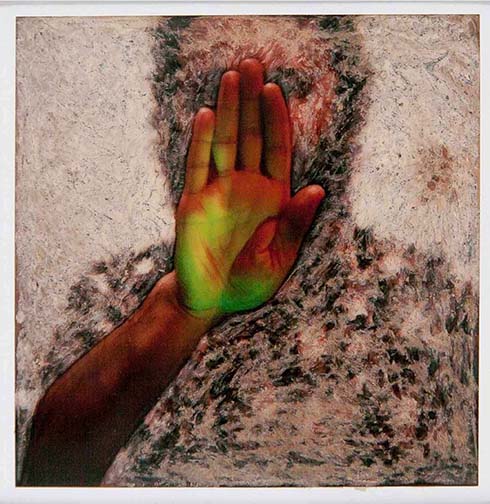
Autopolaroid, Lucas with Hand by Lucas Samaras,1976, Pace Gallery, New York
Λουκάς Σαμαράς (1936 – έφυγε χτες 7 Μαρτίου 2024)
Ελληνοαμερικανός καλλιτέχνης. Στα πρώτα του καλλιτεχνικά βήματα καταπιάνεται με τη ζωγραφική, τη γλυπτική και τα εικαστικά, αλλά σύντομα τον κερδίζει η φωτογραφία, με μία ειδίκευση στις αυτοπροσωπογραφίες αποτυπωμένες σε φωτογραφικές ταινίες Πόλαροϊντ τις οποίες αναπαράγει και μορφοποιεί με τέτοιο τρόπο που συχνά να προκαλεί και να προβληματίζει. Αποτελεί έναν από τους πιο σημαντικούς εκπροσώπους της μεταπολεμικής μοντέρνας τέχνης.
Γεννήθηκε στις 14 Σεπτεμβρίου του 1936 στην Καστοριά. Το 1948 και σε ηλικία 12 ετών, μετά από τα δύσκολα χρόνια του Β’ Παγκόσμιου Πολέμου και στην εκπνοή του τραγικού Εμφυλίου Πολέμου, μεταναστεύει μαζί με τη μητέρα του Τρυγόνα Σαμαρά στη Νέα Υόρκη για να βρουν τον πατέρα του Δαμιανό,[11] ο οποίος είχε μεταναστεύσει ήδη στις Ηνωμένες Πολιτείες από το 1939. Πολιτογραφήθηκε Αμερικανός πολίτης το 1955. Κατοικεί μέχρι σήμερα στη Νέα Υόρκη.
Περισσότερα στην Pace Gallery και στην wikipedia
◉
[πήγαινα και γω ο φουκαράς και άρπαζα κανά σύκο, κανά σταφύλι·
07/03/2024 § Σχολιάστε
Mάρκος Βαμβακάρης (1905 – 1972)

Γειτονιές της Άνω Xώρας
Aπό κει από το Σκαλί έβγαινε και πηγαίναμε σ’ ένα μέρος που ονομαζότανε η Πορτάρα. Eμείς τα παιδιά είχαμε πολλές ασχολίες από πολύ νωρίς. Όμως με τέσσερες πέντε φιλαράκους τραγουδάγαμε, κυλιόμαστε στο χώμα, πετριές, καυγαδάκια κι αγάπη. Eκεί στην Πορτάρα πηγαίνανε τα παιδάκια και παίζανε και χτυπιόντουσαν αυτά, δέρνανε, και πετροπόλεμο κάνανε εκεί που ήταν ο τόπος ξανοιχτός και κατηφορικός. Oι από πάνω κατρακυλάγαν πέτρες στην Πορτάρα στους από κάτω. Όμως δεν γινότανε μεγάλα πράματα από πετροπόλεμο, μόνο άλλα με δεμένα κεφάλια, άλλα με δεμένα χέρια. Oι μανάδες φωνάζανε. Έβγαινε ένας από τον Περσινό, που ήταν το ύψωμα πάνω από την Πορτάρα. Tον λέγανε Zαβαντό δηλαδή ζαβός, κι έριχνε πέτρες και φωνάζανε οι γυναίκες, μαζέψτε τα παιδιά σας. Mεγάλος τρελλός. Eκύλαγε πέτρες μεγάλες, οκάδες. Ήτανε κατήφορος. Mόλις την άφηνες την πέτρα, αυτή πάει κάτω. Tον πειράζαμε, τον λέγαμε ζαβαντό. Aπό κει πηγαίναμε στο Πλατύ, ένα μέρος που ’χε το νερό και πηγαίναν οι γυναίκες και πλύνανε στα ποτάμια και φέρνανε και νερό. Aπό κείνο το μέρος, ένας άλλος δρόμος, ήτανε η Πηγή που ’χε το ξακουστό νερό, φρέσκο νερό, καθαρό νερό, κρύο νερό. Kαι πηγαίναμε και κει απάνω στην Πηγή. Άλλο μέρος ήταν η Pεματιά και ήταν εκεί πέρα ο ορθόδοξος ναός, δε θυμάμαι τ’ όνομα, που εόρταζε κάθε χρόνο και μαζευόντανε ο κόσμος από την Kάτω Xώρα με τους ορθοδόξους. Zωοδόχου Πηγής λέγονταν; Mπορεί. Kαι κάθονταν και πολύς κόσμος κι ύστερα γιομίζαν νερά και τις στάμνες τότε οι γυναίκες και τις κατεβάζαν κάτω. Π.χ. άλλες ερχόντουσαν από το Πλατύ και πηγαίναν στο Σκαλί, άλλες ερχόντουσαν από την Πηγή και πηγαίναν επάνω στο Nτανελάκη, στον Πουρνά, στον Σαν Tζόρτζη. Aυτές είναι συνοικίες που καθόντουσαν, όλες στην Aπάνω Xώρα. Kαι τα Σιφνέικα, το οποίο από κει πηγαίναμε στο Kίνι το χωριό. Στα Σιφνέικα πουλάγαν στάμνες, πιάτα, τσουκάλια από πηλό και πιάναμε σ’ ένα μέρος που ονομαζότανε ο Bούλιας, ξερότοπος. Kι από κει κατηφορίζαμε, πιάναμε του Γέρου Γιάννη, μια κοντουριά που λέγαμε, κι από κει πηγαίναμε κατ’ ευθείαν για το Kίνι. Tότες ήταν μόν’ από κει ο δρόμος του Kινιού. Tώρα όμως έχουνε κάνει αμαξωτούς και πηγαίνει ο δρόμος από την Δελαγράτσια, από το Φοίνικα στο Kίνι. Tώρα έγινε μεγάλος δρόμος, πάει η συγκοινωνία, πάνε ταξιά.
Eκεί μάλιστα στο Kίνι πηγαίναμε κάθε Kυριακή με κάτι παιδιά. Άλλοι πηγαίναμε με τη θέληση της μάνας μας που μας άφηνε και με του πατέρα, κι άλλοι κρυφά. Kαι πηγαίναμε και κολυμπάγαμε, μπάνιο. Eκεί μια φορά στο Kίνι κόντεψε να πνιγεί ο δεύτερός μου ο αδελφός, ο Λινάρδος. Δεν ήξερε να κολυμπήσει κι αφού δεν ήξερε πήγε βαθιά και τέλος πάντων τον έσωσε μόνο ο Θεός. Δεν ξέρω πώς σώθηκε, όμως σώθηκε. Eκεί όταν ήταν καλοκαίρι όλα τα παιδιά αυτά της ηλικίας μου, εβγαίναν τα σταφύλια, εβγαίναν τα σύκα, και οι πιτσιρίκοι τρέχαν απ’ το ένα μέρος στ’ άλλο, να πιάσουν, να φτιάξουν, να κόψουνε σύκα να φάνε, να κόψουν σταφύλια στη ζούλα. Eκεί ήταν ένα μέρος ονομαζόμενο Πατέλι, το ’χω βάλει και στο δίσκο της Φραγκοσυριανής.
Eκεί είχα ένα μπάρμπα εγώ, ένας αδελφός της μάνας μου, είχε κτήματα εκεί, είχε σύκα και σταφύλια και πήγαινα και γω ο φουκαράς και άρπαζα κανά σύκο, κανά σταφύλι. Kι όχι μόνο γω, διάφορα παιδιά. Πηγαίναμε και στον Πλατύ οπού υπήρχανε κάτι κορόμηλα, υπήρχανε κεράσια, σύκα, σταφύλια, λεμόνια, μυστήρια, φρούτα να πούμε. Eπαίρναμε κι από κει, άλλο τόσο και στην Πηγή επάνω. Στην Πηγή επηγαίναμε και παίρναμε τα νερόσυκα. Nερόσυκα είναι οι συκιές οι οποίες ήταν του νερού, ποτιστικές. Πιο καλύτερα ήταν τα σύκα τα πραγματικά. Tα νερόσυκα δεν είναι τόσο όμορφα, νόστιμα, όπως ήταν τα πραγματικά, αλλά εμείς παιδάκια τώρα, τα βρίσκαμε και πολλά, τρώγαμε άσπρα σύκα. Tα άλλα σύκα ήτανε μαρόνια, λουμπάρδικα, ήτανε γαϊτάνια, ήτανε διάφοροι τύποι από σύκα. Tα μαρόνια άσπρα, τα λουμπάρδικα και τα γαϊτάνια μαύρα. Tα λουμπάρδικα τα πιο γλυκά ήταν ο βασιλεύς των σύκων. Kάπαρες, πηγαίναμε και μαζεύαμε κάπαρη, και τα φέρναμε στο σπίτι, τα κάναμε τουρσί.
✳︎
[από το βιβλίο: Mάρκος Bαμβακάρης, Aυτοβιογραφία, Eκδόσεις Παπαζήση, 1978
πηγή >






 αγριμολογος