
[Pygmalion·
09/02/2017 § Σχολιάστε
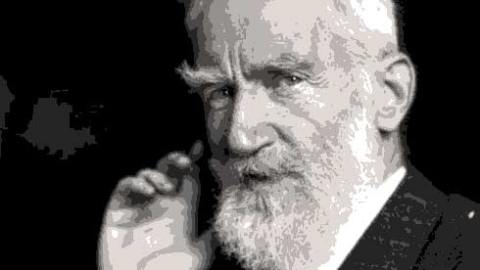
George Bernard Shaw (July 26, 1856 -November 2, 1950)

An excerpt
[…]
HIGGINS
Pledge of good faith, Eliza. I eat one half you eat the other.
(LIZA opens her mouth to retort: he pops the half chocolate into it.)
HIGGINS (CONT.)
You shall have boxes of them, barrels of them, every day. You shall live on them. Eh?
LIZA
(who has disposed of the chocolate after being nearly choked by it)
I wouldn’t have ate it, only I’m too ladylike to take it out of my mouth.
HIGGINS
Listen, Eliza. I think you said you came in a taxi.
LIZA
Well, what if I did? I’ve as good a right to take a taxi as anyone else.
HIGGINS
You have, Eliza; and in future you shall have as many taxis as you want. You shall go up and down and round the town in a taxi every day. Think of that, Eliza.
MRS. PEARCE
Mr. Higgins: you’re tempting the girl. It’s not right. She should think of the future.
HIGGINS
At her age! Nonsense! Time enough to think of the future when you haven’t any future to think of. No, Eliza: do as this lady does: think of other people’s futures; but never think of your own. Think of chocolates, and taxis, and gold, and diamonds.
LIZA
No: I don’t want no gold and no diamonds. I’m a good girl, I am.
(She sits down again, with an attempt at dignity.)
HIGGINS
You shall remain so, Eliza, under the care of Mrs. Pearce. And you shall marry an officer in the Guards, with a beautiful moustache: the son of a marquis, who will disinherit him for marrying you, but will relent when he sees your beauty and goodness—
PICKERING
Excuse me, Higgins; but I really must interfere. Mrs. Pearce is quite right. If this girl is to put herself in your hands for six months for an experiment in teaching, she must understand thoroughly what she’s doing.
HIGGINS
How can she? She’s incapable of understanding anything. Besides, do any of us understand what we are doing? If we did, would we ever do it?
PICKERING
Very clever, Higgins; but not sound sense. (To Eliza) Miss Doolittle—
LIZA
(overwhelmed)
Ah—ah—ow—oo!
HIGGINS
There! That’s all you get out of Eliza. Ah—ah—ow—oo! No use explaining. As a military man you ought to know that. Give her her orders: that’s what she wants. Eliza: you are to live here for the next six months, learning how to speak beautifully, like a lady in a florist’s shop. If you’re good and do whatever you’re told, you shall sleep in a proper bedroom, and have lots to eat, and money to buy chocolates and take rides in taxis. If you’re naughty and idle you will sleep in the back kitchen among the black beetles, and be walloped by Mrs. Pearce with a broomstick. At the end of six months you shall go to Buckingham Palace in a carriage, beautifully dressed. If the King finds out you’re not a lady, you will be taken by the police to the Tower of London, where your head will be cut off as a warning to other presumptuous flower girls. If you are not found out, you shall have a present of seven-and-sixpence to start life with as a lady in a shop. If you refuse this offer you will be a most ungrateful and wicked girl; and the angels will weep for you. (To PICKERING) Now are you satisfied, Pickering? (To MRS. PEARCE) Can I put it more plainly and fairly, Mrs. Pearce?
MRS. PEARCE
(patiently)
I think you’d better let me speak to the girl properly in private. I don’t know that I can take charge of her or consent to the arrangement at all. Of course I know you don’t mean her any harm; but when you get what you call interested in people’s accents, you never think or care what may happen to them or you. Come with me, Eliza.
HIGGINS
That’s all right. Thank you, Mrs. Pearce. Bundle her off to the bath-room.
LIZA
(rising reluctantly and suspiciously)
You’re a great bully, you are. I won’t stay here if I don’t like. I won’t let nobody wallop me. I never asked to go to Bucknam Palace, I didn’t. I was never in trouble with the police, not me. I’m a good girl—
MRS. PEARCE
Don’t answer back, girl. You don’t understand the gentleman. Come with me.
(She leads the way to the door, and holds it open for ELIZA.)
LIZA
(as she goes out)
Well, what I say is right. I won’t go near the king, not if I’m going to have my head cut off. If I’d known what I was letting myself in for, I wouldn’t have come here. I always been a good girl; and I never offered to say a word to him; and I don’t owe him nothing; and I don’t care; and I won’t be put upon; and I have my feelings the same as anyone else—
[…]
Pygmalion – play by Irish dramatist George Bernard Shaw. It was named after a Greek mythological character. It was first presented on stage to the public in 1912. Shaw was awarded an Oscar (1938) for his work on the film Pygmalion. The film’s screenplay was later adapted into the 1956 theatrical musical My Fair Lady, which in turn led to the 1964 film of the same name. Shaw was born July 26, 1856, and died on November 2, 1950.
Κλείνοντας εισιτήρια Aegean από εδώ, ενισχύετε τις Στάχτες
σήμερα: Τσέχωφ·
29/01/2017 § Σχολιάστε
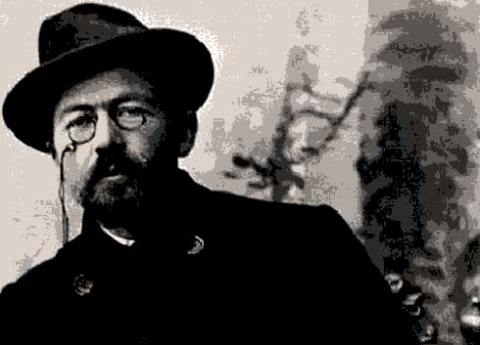
Άντον Τσέχωφ. Γεννήθηκε σαν σήμερα 29 Ιανουαρίου 1860, στο Τάγκανρογκ της Ρωσίας
Ο Τουργκένιεφ τα άγγιζε όλα, εκτός από τα τριαντάφυλλα, με τα γάντια. Ο Τολστόι πήγαινε στο λαό βουλώνοντας τη μύτη του… Εκατό ολόκληρα χρόνια οι συγγραφείς, δεμένοι ο ένας κοντά στον άλλο με την ομοιομορφία της ζωής τους, μιλούσαν όλοι με τον ίδιο τρόπο. Η ιδέα της ομορφιάς απόμεινε σιδερωμένη, ξεκομμένη από τη ζωή, σαν κάτι αιώνιο και αθάνατο… […] Και να ο Τσέχωφ που φέρνει στη Λογοτεχνία τα ακατέργαστα ονόματα των ακατέργα- στων πραγμάτων… Η «αναμαλλιασμένη» ζωή των πόλεων που βρί- σκονται στην ανάπτυξή τους, δημιούργησε καινούργιους και σβέλ- τους ανθρώπους, ζητούσε από την ταχύτητα να προσαρμόσει το ρυθμό της στις λέξεις για να τις ζωντανέψει. Και να που, αντί για φράσεις με μια ντουζίνα «προτάσεις», κάνουν την εμφάνισή τους φράσεις με ελάχιστες λέξεις. Πλάι στις σφεντονιστές φράσεις του Τσέχωφ ο πλούσιος λόγος των παλιότερων, του Γκόγκολ λόγου χάρη, μοιάζει με τη γλώσσα σπουδαστή ιερατικής σχολής. Ο τρό- πος που εκφράζει τις σκέψεις του σε ένα ασφυκτικά συμπιεσμένο διηγηματάκι θυμίζει τη βιαστική κραυγή «Οικονομία!». Αυτοί οι καινούργιοι τρόποι για την έκφραση των σκέψεων, αυτή η σωστή θεώρηση των αληθινών προβλημάτων της τέχνης μας δίνουν το δι- καίωμα να χαρακτηρίζουμε τον Τσέχωφ «δάσκαλο του λόγου». – Βλαντιμίρ Μαγιακόφσκι
Λίγα μου δίνουν μεγαλύτερη χαρά, μεγαλύτερη ικανοποίηση από τη σκέψη πως συνέβαλα έστω και στο ελάχιστο να γνωρίσουν, ν’ αγαπήσουν και ν’ ανοίξουν την ψυχή τους στον Άντον Τσέχωφ, οι άνθρωποι στον τόπο μου. […] Υπάρχουν τόσες λεπτές ψυχολο- γικές αποχρώσεις στα πρόσωπα, τόσα ημιτόνια, τόσες απότομες εσωτερικές μεταπτώσεις, τόση λεπτομέρεια στην καθημερινή αλή- θεια και πάνω απ’ όλα τόση συμπυκνωμένη ποίηση, που αναδύεται όχι με ποιητικό λόγο αλλά θεατρικά, μέσα από τις καταστάσεις, μέσα απ’ αυτά που συχνά δε λέγονται αλλά διαφαίνονται μονάχα, ώστε μόνο μια ευαισθησία τέλεια εξοικειωμένη με το πνεύμα και το κλίμα του συγγραφέα και μια ζωική σχεδόν συνταύτιση με τα πρόσωπα μπορεί να κάνει δυνατή τη μεταφορά αυτής της μαγείας, που υπάρχει στο Θέατρο του Άντον Τσέχωφ, στη γλώσσα μας και στη σκηνή μας. – Κάρολος Κουν
[Από το Παιδαγωγικό Ινστιτούτο Κύπρου]
Κλείνοντας εισιτήρια Aegean από εδώ, ενισχύετε τις Στάχτες
obituary: John Hurt
28/01/2017 § Σχολιάστε

Peter Bradshaw on John Hurt: ‘A virtual folk memory of wisdom and style‘
In his staggeringly productive screen career, Hurt’s performances brought depth and texture to everything he was in, from science fiction to Roman epic.
Κλείνοντας εισιτήρια Aegean από εδώ, ενισχύετε τις Στάχτες
[η λεπτή συγκίνηση του αποχαιρετισμού·
14/01/2017 § Σχολιάστε
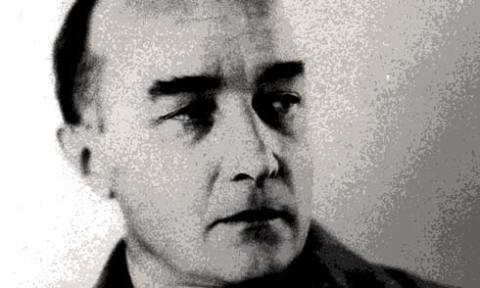
Robert Musil (1880-1942)
[…]Ένιωθε μια πρωτόγνωρη σιγουριά. Ήταν σχεδόν όπως σ’ ένα μυστηριώδες όνειρο. Κάτι που θα πρέπει να διαμορφώθηκε κρυφά, κάτω απ’ την επίδραση των τελευταίων γεγονότων και που τώρα ξαφνικά, χτυπούσε μ’ επιταχτικά δάχτυλα κάπου μέσα του. Ο Τέρλες βρισκόταν στην κατάσταση εκείνης της γυναίκας, που νιώθει στην κοιλιά της τα πρώτα σκιρτήματα του μωρού της.
Ήταν ένα υπέροχο, απολαυστικό απόγευμα.
Ο Τέρλες έφερε από το συρτάρι του όλα τα ποιήματα που είχε γράψει κατά καιρούς. Κάθισε κοντά στη σόμπα κι έμεινε έτσι, τελείως μόνος κι αθέατος πίσω απ’ το μεγάλο χώρισμα, ξεφυλλίζοντας το ένα μετά το άλλο τα τετράδιά του και ρίχνοντάς τα στη φωτιά, αφού τά ‘σχιζε αργά αργά σε μικρά κομματάκια, σαν να ήθελε ν’ απολαύση τη λεπτή συγκίνηση του αποχαιρετισμού.
Ήθελε με την πράξη αυτή, να πετάξει κάθε αποσκευή του παρελθόντος, σαν να έπρεπε τώρα – απαλλαγμένος από κάθε βάρος -να στρέψει όλη του την προσοχή προς εκείνα τα βήματα, που θα τον πήγαιναν μόνο μπροστά.
*
[-απόσπασμα από: Ρόμπερτ Μούζιλ, Ο νεαρός Τέρλες, εκδόσεις Ύψιλον, μτφρ: Αλέξανδρος Ίσαρης, 1984]
Κλείνοντας εισιτήρια Aegean από εδώ, ενισχύετε τις Στάχτες
 αγριμολογος